
Blog, part 2
Yes, what can I say...
Yesterday was a really tough day when I found out that a staff member we trust has left the department and has moved on to become a caretaker instead. Apparently it will be for at least 6 months and we were devastated, insecure and in chaos inside. A lot of it is because we didn't get any advance warning, he was just gone yesterday and another staff member said so. Apparently the other staff found out about it on Friday... so no direct advance notice from anywhere and we need that. We need security, stability and predictability, time to get used to the idea. There is chaos in the system when it goes too fast. The evening didn't end so well.
We haven't received any answers about the dog either and we don't understand what's taking so long. How hard can it be to squeeze out a yes or no?! We feel completely despondent and listless now.
Otherwise, it's quiet on the ward, we who live here still get along quite well and it feels like the staff group is more harmonious again after the mess that has been and that's nice. It's just the new/unknown staff that is a pain right now and there are a couple of new temporary workers who still haven't really settled in with us and we are terrified that they will come in here and work with us because we don't know them at all and don't even know their names.
We try to stick together and follow our routines but it becomes really difficult when there is chaos inside. But the staff sees that it is not good so they check on us more often and so on, so it feels good. But we will probably get through this too... The zest for life is not completely gone so we are holding on and that is important. So no one needs to worry, if it gets that way we will probably have to go to the hospital.
We want so much to continue to have energy and feel good. It's lucky that so many people around us are encouraging and are there for us. It makes the fight easier.
Hope everything is well with you!
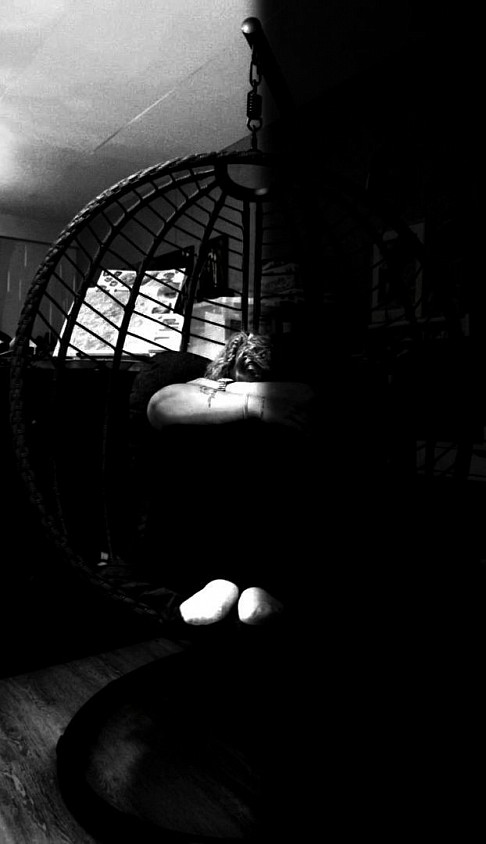
It's wobbly right now...
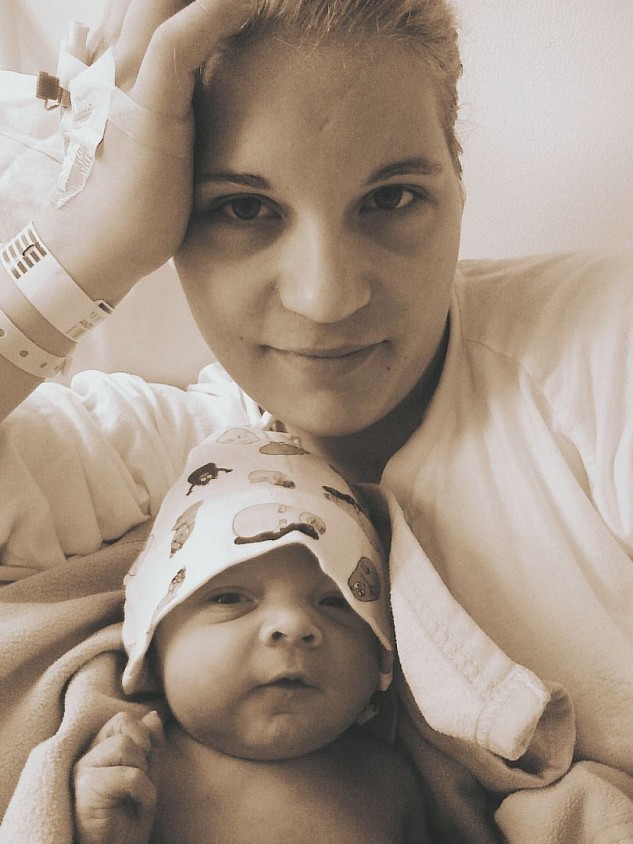
Right now it's quite fragile and wobbly inside. The last few days we've been feeling bad and have a lot of memory gaps. Last Friday we didn't find out about the dog thing, the managers left without even saying that we'd have to wait over the weekend for an answer. It apparently triggered some part of us that didn't want to stay at the accommodation at all and was angry and sad... I can understand why it happened that way, we've been waiting for two months now and it's really hard. It doesn't really matter if it's a yes or no, as long as we get an answer. Of course we want the answer to be a yes, but now we're tired of waiting and not knowing. I/we get a lot of anxiety that they (the managers) are probably really irritated with me/us after this. I've looked back at our email conversations and we've been pretty clear in our communication, not just about the dog but also other things that have been going on here for the past six months. I'm a little worried that they'll say we can't stay because we're making demands and being uncomfortable... but they can't cancel the place for something like that, we hope...
The last two weeks we have been feeling worse again but it feels good that we have had a few decent weeks. It is not that we are at suicide warning level but we have a lot of anxiety, worry and feel depressed. Our initiative is somewhat worse and we have not had the energy to write sensible things on our social media. But that is how it is, we cannot always be at our best. I think we reacted strongly on Friday precisely because we are feeling worse and then we do not have the energy to stick together.
Then we are in the process of getting my son a driver's license when he is allowed to start practicing driving. Imagine that my little guy is 16 years old and much taller than me now. The picture is of me and my son when he is one day old...
Last night we had a lot of restless legs in both arms and legs. I was going crazy. Have you ever had it? It's terribly unpleasant. Today is Sunday anyway, I think I'll take it easy. We're going to fix next week's food list and shopping list. We usually do that on Sundays and then we shop on Mondays. It's good to have done all that, it makes it easier with food during the week. If we haven't decided beforehand, it's easy for us not to eat because we don't know what to eat. Then we try to shop after lunch when we're not hungry, that also makes it easier.
Yesterday was World Mental Health Day. We were going to write something good about this but couldn't bring ourselves to. But it has to be that way. We are not only thinking of those who have mental illness but also of all the relatives and friends who are there in the background and help a lot. They often struggle just as much as the person with mental illness. Thank you for being there!!
Hope everything is well with you!
A small update
We've had a few slightly better weeks but now the last three days have been a bit more difficult with more dissociation feelings and changes. I never finished writing the post before this so I don't really know how I wanted to continue there, but I was still sad after reading someone's opinion about me, someone who doesn't even know me. Usually we can brush that off but somehow it didn't work out that time.
As I said, it has had a couple of better weeks but not the last three days. So I hope we are not heading into a downward spiral again. It has been so nice to have a little lighter heart and brain and less messy dissociations. We have not had to do anything so our social media has had to be on a bit of a half-break.
Any day now we'll get an answer on whether we can get an assistance dog or not. It feels like it's going to be a no and if it's a yes they'll put in a lot of restrictive rules, like not letting the dog ride in the car and stuff... But we'll see, let's not paint the hell on the wall just yet. Regardless, we've been feeling a bit down for a few days now and like I said, we don't like that.
We have started painting by numbers. First we painted a really cute dragon (see the picture) and now we are working on a castle that looks like Hogwarts from Harry Potter (also see the picture). It is incredibly relaxing to paint them, you need to concentrate on what you are doing because otherwise you will paint wrong. I can recommend it if you want something to do where you don't have to think right away.
Hope everything is well with you!
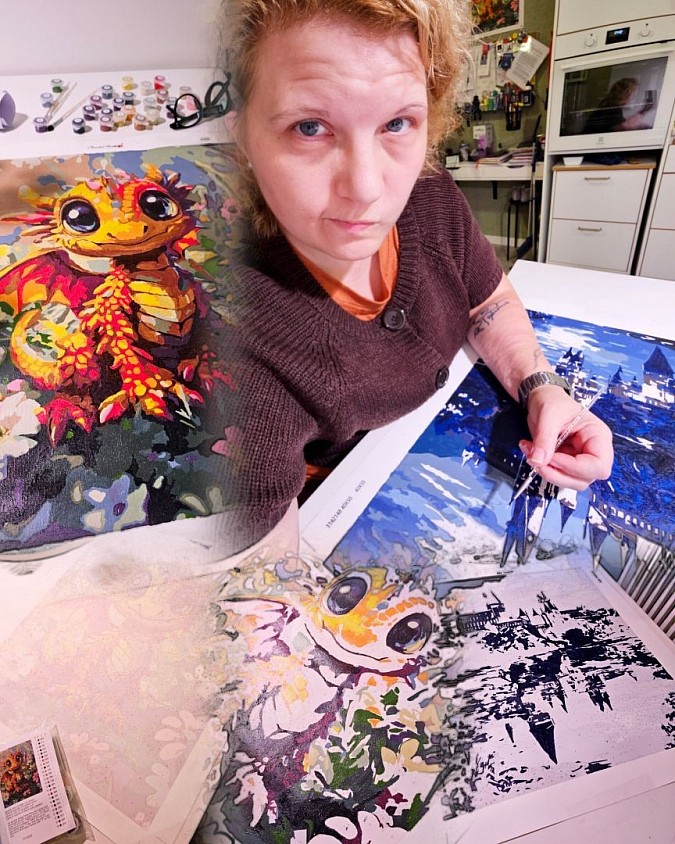
Are you less credible because your perpetrators have not been convicted or even found?
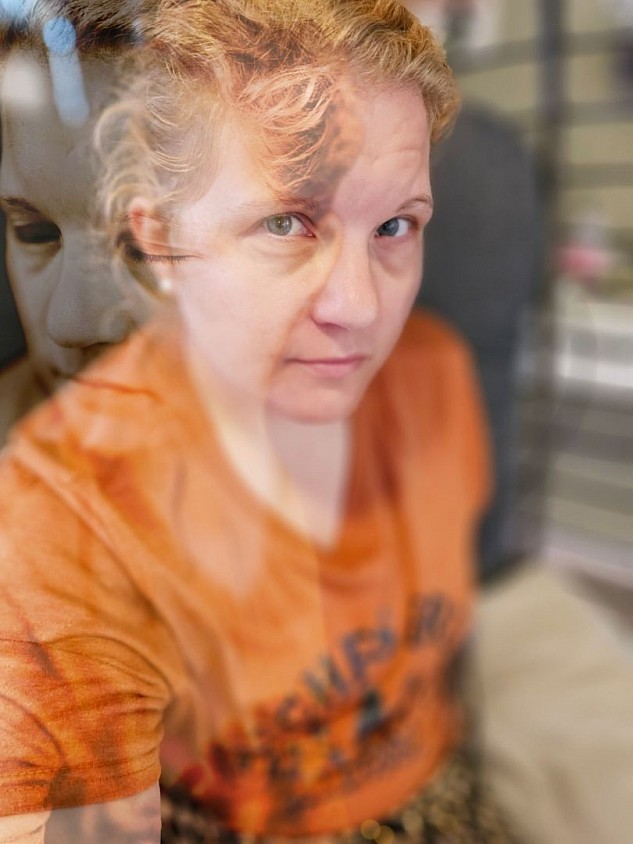
I was sad today. I was stupid enough to read someone's comment about my book, this particular person thought I wasn't credible because none of my perpetrators had been found... I have always reacted strongly when someone accused me of lying and I didn't lie. I wish I could have lied about my story, it would have been nice not to have to experience all the hardship. I know you shouldn't take it personally, but I feel so bad not only for myself, but for all the other survivors. There are so many of us who are accused of lying because there is no evidence.
At the same time, I listen to Generation Trauma and think about what the author says. He has points in what he says but at the same time he can't apply it to everyone. I actually think that social media and things like that make people sicker than they actually are and that's not good at all. I think it's too easy to create an identity online and then be that person, but that doesn't mean everyone makes it up and lies. I spent 6 years in a psychiatric facility, you don't do that if you don't have your own problems.
... Then I didn't write any more. Now it's 7/10 so I'll just publish this and make a new post for today instead.
The book Generation Trauma
I have started reading/listening to the book; Generation trauma. Exciting reading about this whole thing about psychiatry, how diagnoses are made and how research on psychiatry works. Why doesn't research on psychiatry work in the same way as somatics.
I haven't gotten that far yet, only about half the book, but oh my, what you start to think. How is it that we who live in safe countries actually get PTSD more easily than others? I actually agree that the word trauma is used far too loosely today. You don't get trauma because your parent says no to candy and you need a certain kind of adversity to develop. At the same time, trauma is subjective and individual, but we use it to describe ordinary adversity and not just regular trauma. Then, a trauma doesn't necessarily make you develop PTSD or other trauma-related diagnoses.
I'm thinking about what is helpful and what is not... Is it bad that I/we run my social media. Does it help or hinder me? Was it unnecessary to write a book... Maybe... But writing developed me enormously. I now have a completely different perspective on myself and life. But the thought that writing trauma books is in the works makes my stomach turn because that's not why I wrote... But spreading knowledge about my problems was a reason. Because it's so hard to find people with my problems. But through my Facebook group: Dissociative Identity Disorder Sweden, I have found several people with similar problems and it's so nice to be able to recognize yourself in others. That you're not the only weirdo in the world.
I understand why some people think that my diagnosis doesn't exist, but that doesn't take away my experience of how I function. Those who claim that I don't exist are welcome to talk about what they think is wrong... Because obviously I don't function like everyone else. It's so often that I get impostor syndrome, a feeling that I'm just imagining everything, that I just believe that I have my diagnoses and that my whole life is just a fabrication. Maybe I should just retreat and live, without analyzing or sharing everything I do... I've had that thought often, but I have such a hard time deciding what to do because it gives me a certain satisfaction to actually share... Maybe I can continue writing but only for myself... but what's the point when sharing gives new inputs into life...
Suicide Prevention Day
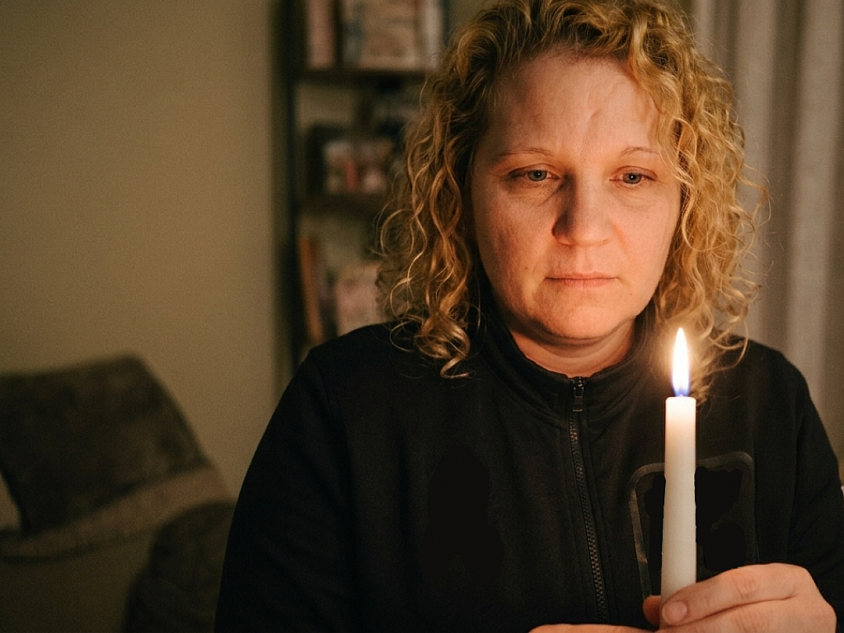
Today is Suicide Prevention Day and we take the opportunity to light a candle and give a thought to all those who are no longer with us. All the brave warriors who lost the fight against their own brain disease.
All lives lost are a great loss and a failure, especially from healthcare. Psychiatry needs to improve, but above all, it needs more resources. Because without cash, with constant cuts and austerity requirements, psychiatry cannot improve. I have been treated both well and badly, and because of bad treatment I have come very close to dying several times. My experience is that the mental health nurses do the best they can, they are quite often committed and try to treat with empathy, but above all the senior doctors make extremely strange choices and discharge you before you are fully treated. Ideally, they want to discharge you the same day you come in... If you are also so unwell that you make an attempt on the ward (and now I am not talking about self-harm, but a regular suicide attempt), you are discharged. Many doctors claim that they would never discharge someone suicidal, but oh how they lie. So many times it has happened to me and in the journal they don't always write the truth either, because they want to hide the fact that they are actually throwing out suicidal people. Unfortunately I know of a number of amazing souls who are no longer around because of this.
That's so wrong!
When I got sick (2014) and ended up in inpatient care for the first time, there were two general psychiatric departments, a psychosis department and an addiction department plus occupational therapy and physiotherapy and a psychologist, counselor and children's ombudsman. What is left today (2026)? Well, a general psychiatric department and half of the addiction department, a psychologist and a counselor. Both occupational therapy and physiotherapy and the children's ombudsman have been closed down. It's a disaster, there's so much talk and alarm that the population is getting worse and worse, and all the activities that could help us who are mentally ill are being cut back.
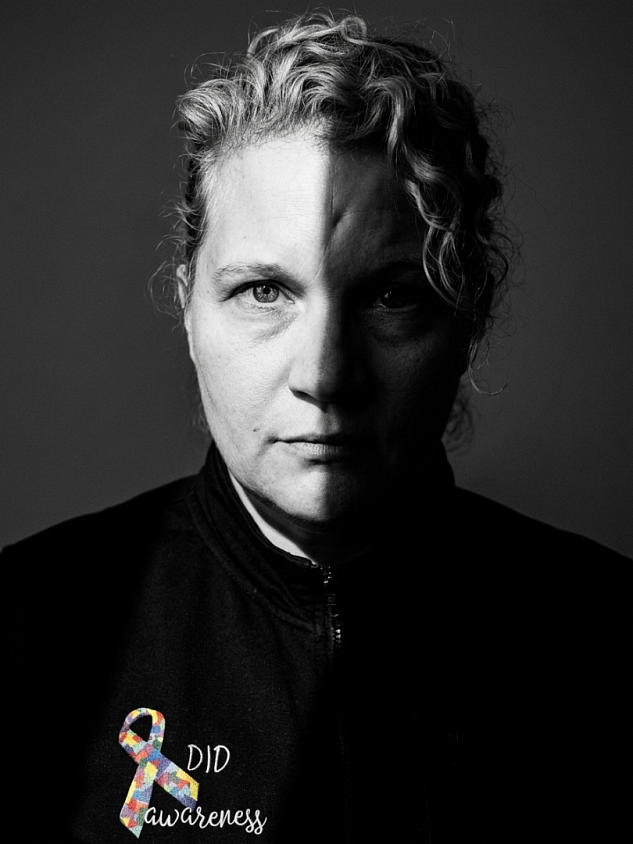
I live with a rather unusual diagnosis, Dissociative Identity Disorder. Or unusual and unusual, it is about as common as Schizophrenia, about 1% of the population has DID. When I moved to my psychiatric residence, I stopped belonging to my old hospital (luckily, I can still be there as long as I am being treated voluntarily) and started belonging to another large hospital. The first time we went to the new hospital, I was treated extremely badly. The head doctors immediately said that I would never be allowed to stay with them for more than three days (which doesn't work for me) and that they don't believe in my main diagnosis... I mean, hello?! It's the same as a somatic doctor telling a cancer patient that he doesn't believe in cancer so he's thinking of putting a cast on his leg instead, because he believes in broken bones. It's been a long time since I've been so offended and depressed and scared. I had been admitted because of a suicide risk and when the chief doctors declared that I had to get well in three days and that my experience of the world and myself did not exist, I lost the will to live completely. I went straight to my room and made an attempt, which was stopped by the staff and then I was discharged... I then went straight to the nearest shop and bought things to use to take my life. I spoke to my accommodation and said goodbye and hid in a grove to take my life. The accommodation called the police, or first they spoke to PAVA and the doctors and asked them not to let me out, but now they did it anyway because the chief doctor "didn't think I would do anything". When I was about to leave, he asked me what I was going to do and I replied that I was going to take my life, then he replied to me that "it's my choice to do it if I wanted to" (but he claimed afterwards that he never said that...). Anyway, my accommodation figured out which store was closest to the hospital and called the police who went there, looked at the surveillance footage and went in the same direction as me. They found me in a grove with no pulse or breathing and did CPR until the ambulance arrived, they got my heart started again.
After that I have had daily headaches because my brain damage (due to lack of oxygen) got worse. The police reported the doctor to the police for gross misconduct (but I have no idea how it went because I haven't heard anything about it) and I have filed a report with both IVO and LÖF. This is now a little over a year ago and the other day I received a letter from IVO that they have extremely long processing times right now so it will take another year before it is finished. LÖF is not much faster... But now we got a little off topic (how do you spell it). The thing is that it is not the first time I have been treated like this and probably not the last either. The last time I was admitted (to my old hospital because I am honestly afraid of going to the other hospital) I was discharged too early, I said that I can't cope at home right then but was still discharged with a "you can always come back if you need to". I went home and barely made it two days before we decided that I needed to be admitted again. Once at the hospital, the doctor said in a rather harsh voice, "Why are you here again? You were just admitted..." I felt terrible, I didn't want to live, and you're treated like that. But I had to stay a few more days and that actually made me feel better when I was discharged again. But the stress of knowing that you can only be admitted for a short period of time and that you are often discharged before you feel well is stressful and makes recovery take longer.
Unfortunately, I am treated like this because they "don't believe" my DID diagnosis. They believe I have EIPS (which I DO NOT have). But I can't understand how it can be okay to treat someone that way, regardless of diagnosis.
What do I want to get across with these anecdotes about my experiences in psychiatry? Well, it's no wonder that we unfortunately lose over 1,500 people to suicide every year, but it's incredibly sad. Psychiatry needs to be retooled, it needs to get more money, more departments and more staff (with better pay).
I want to end by thanking all the hardworking people who work in healthcare and other organizations. And above all, all the relatives who work at least as hard as all the organizations. You who want to make and do make a difference in people's lives. You are true lifesavers!
Birthday celebration at a friend's house
Yesterday we went to Pinchos for the first time, the food was pretty good. We were there to celebrate our best friend's daughter's 12th birthday. Then we spent the night at her place. We mostly chilled out today, went for a walk with their dog (Hubbe), it was nice because the sun is shining today.
Speaking of dogs, we sent another email to the regional manager where we wrote what the law says and that we had reported the accommodation to the DO. Then we finally got a response, now they will at least investigate the matter... let's see how long it will take. We plan to ask them again on Monday if they haven't responded because we have found a dog combination we like, 25% Mini Aussi and 75% Labradoodle. It will be a dog that likes to work but doesn't shed much. These ones haven't been born yet, they will be born in mid-September. But we don't have high hopes and are just tired of everything. We really want to make a difference, lecture and spread knowledge, but right now it doesn't feel like any of that will ever happen... We actually feel a little discouraged.
Then we have published statistics for how the summer has looked in terms of staff. We have had a substitute on 62 occasions since July 1. That means an average of one substitute every day... There is nothing wrong with the substitutes as people, they are really cute, but how can there be consistent care when you have more substitutes than regular staff. We have a hard time feeling safe with new people and trusting them, we also feel that we have to try to "sharpen" ourselves and help the substitutes who don't know routines or see when we dissociate, etc. But when we are not feeling well, we don't really have the energy to be helpful and nice all the time. Then when not all substitutes have delegation and there are some days there is one regular and three substitutes. One day it was a substitute who introduced a substitute but then I got really angry. It absolutely didn't feel right. We understand that it has been summer, but then half the staff is supposed to be off one period and the other half the next, but it doesn't feel like it has been that way because it has been almost all temporary workers... God, it feels like we are just whining, but we think this is incredibly difficult.
Oh well... life is what it is. Hope everything is fine with you!
Ja personalen kan bli sjuk och så. Jag fattar allt sånt men det känns jobbigt ändå.
Nej jag har röstat 🥰
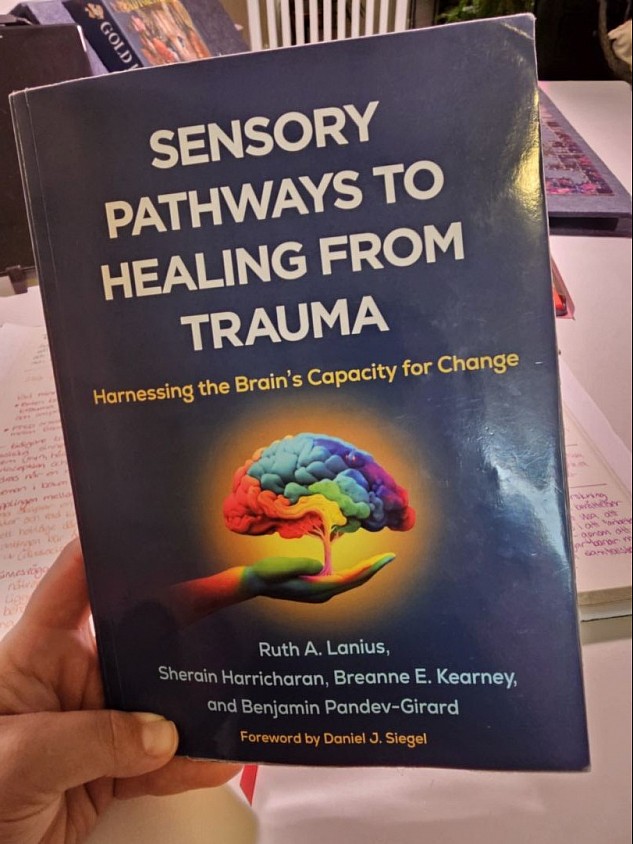
Sensory pathways to healing from trauma by Ruth A. Lanius et al
I have finally finished reading the book Sensory pathways to healing from trauma by Ruth A. Lanius et al. I have to say that it is one of the best books I have read when it comes to explaining trauma and how trauma affects the brain.
Where previous research has only focused on the five classic senses; sight, hearing, taste and smell, Lanius focuses on three additional senses; interoception, proprioception and the vestibular system. Interoception is our internal bodily sensations such as gut feeling, breathing and heartbeat. Proprioception means that you sense the body's position in space. And the vestibular system is about balance and grounding. Lanius describes how these senses change when a person is exposed to trauma.
The book highlights how trauma creates a profound gap between what the brain perceives and what the body feels. When exposed to trauma, the brain can become stuck in a state of threat, causing impressions from the outside world to either become overwhelming (hyperarousal) or completely shut down (dissociation/hypoarousal).
Lanius traces what happens in the brain's network when threat activation occurs. The focus is on how deep-lying structures (such as the brainstem and the amygdala) process sensory impressions long before they reach our conscious thinking. Lanius also shows how the brain's neuroplasticity can be used as a healing tool. By consciously using targeted sensory interventions, it is possible to stimulate the brain's ability to reorganize and thereby create new, secure connections.
There is much evidence that individuals with PTSD have difficulties with the vestibular system, in that they are unable to register vestibular signals and integrate them with their inner world. This leads to intense visceral feelings (Viceral = An instinctive strong feeling that comes from gut feeling rather than logical thinking). It has also been shown that people with PTSD have more difficulty processing parts that create a sense of body awareness, especially between themselves and others, which leads to difficulties with boundary setting.
People with PTSD are hyperfocused on their surroundings and where they are and therefore have persistent hypervigilance. Lanius shows that vestibular stimulation can help people with PTSD calm the nervous system. For example, sitting in a rocking chair or sensory hammock can reduce the degree of hypervigilance and increase the connection so that patterns in the brain can change. I interpret this as meaning that it is good to rock while processing trauma. This is because rocking makes you calmer and then you can gain distance from the chaos inside in a completely different way.
Many traumatized people are perceived as uncooperative and defensive, which is not surprising when you think about it. Traumatized people are often stuck in a state of continuous Fight and Flight response. Lanius believes that it is important not to view the traumatized individual in this way. Many of them are reacting to underlying patterns and behaviors. The problem is that the traumatized individual does not have full access to their reflective brain, which reduces the ability to make informed decisions.
If Fight-Flight-Freeze-Fusion are exhausted and the threat still remains, an emotional shutdown can occur, i.e. dissociation. Long-term unavoidable trauma can create a feeling of helplessness, apathy and depression that is so often seen in traumatized individuals. Emotional shutdown also causes one's perception to change, which causes dissociation. Dissociation is a psychological, emotional and sensory defense when physical escape is not possible. Traumatized individuals have also been shown to have a higher pain threshold because shutdown disrupts the neuro-pathways that connect the thalamus and cortex. The thalamus is important in emotional learning and the cortex contextualizes sensory inputs.
The brain has different interconnected parts; 1. The survival brain 2. The emotional learning and 3. The reflective brain. These parts need each other to function. Problems with these communications can lead to a feeling of being disconnected from oneself (depersonalization) and from one's surroundings (derealization). But not only that, if one is involved in trauma, the brain gets stuck at stage 1, the survival brain, for example, and never reaches stage 3, the reflective brain. This makes it difficult to deal with everyday life and its challenges.
The tolerance window (if you want to know what the tolerance window looks like, google it):
Within the tolerance window, one is safe and present and can handle emotions and demands. Outside the tolerance window, there are two paths: hyperarousal or hypoarousal. In hyperarousal, the body goes into overdrive, one can often be angry and irritated and there is chaos inside - fight or flight. In hypoarousal, the body shuts down, one becomes apathetic, tired, depressed and dissociates - freeze and freeze. Lanius describes something called "the fluid zone" which means that one is outside one's tolerance window but not so much that one cannot be reached. Lanius believes that "the fluid zone" is the optimal state to be in when doing therapeutic work.
Lanius also talks a lot about children's development and attachment to their guardians. Children need a secure adult to be able to reflect on their feelings and thus stay within their tolerance window. Children cannot regulate themselves and therefore need a secure adult to help them. A securely attached child has a kind of compass that encourages the desire to explore. If the child does not have a secure attachment, they end up in survival instead of development and curiosity. A child with an insecure attachment also has a narrower tolerance window. Furthermore, Lanius believes that play where children can develop their sensorimotor skills is critical for the brain to develop properly.
I believe it is extremely important that the healthcare system intercepts traumatized individuals and gives them the right treatment as quickly as possible. I have personal experience of many years of mistreatment due to misdiagnosis. Often these individuals are called treatment-resistant when in fact they have simply received the wrong treatment.
The vestibular system orients us during traumatic experiences and therefore needs to be involved to reprogram the brain and body during the healing process. The vestibular system influences the hippocampus which influences and frames spatial memory. This allows one to have out-of-body experiences.
Many traumatized people live with a strong belief that they are damaged and defective. This is because the brain has trouble processing proprioceptive, somatosensory, vestibular, and interoceptive experiences. These systems inform us about the body's current capacity and well-being.
Chronic developmental trauma prevents the individual from forming a coherent sense of who they are in the world. Without a sense of who you are, the possibility of a sense of self in the future becomes impossible. I often experience difficulties seeing myself in the future. The sense of one's bodily existence begins to develop already as an infant, when the mother and father or guardian's task is to give the child the basic sense by reflecting the child and its needs. If the child does not receive this, the child will not develop a coherent sense of self. Therefore, childhood trauma affects you more deeply if you experience trauma as an adult.
In the event of trauma in adulthood and where as a child one has had the opportunity to develop a coherent self, the traumatized person often has a feeling of not being themselves anymore.
Individuals with PTSD often have problems with their DMN (DMN = Default mode network) when, for example, they should close their eyes and rest. It has been shown that the brain of traumatized individuals does not rest but is in a state of constant hypervigilance. PTSD causes interruptions in the brain's communication system between past-present-future. The posterior DMN becomes the dominant hub where mental images and emotional experiences related to past memories lack anchoring in the present via the anterior DMN. Instead, the posterior DMN is overactive together with the sensorimotor system, which makes trauma memories real and experienced as here and now.
Lanius says that studies show that the disconnection between the anterior and posterior DMN and the sensorimotor system is associated with increased PTSD symptoms. Losing the anterior hub's connection to the rest of the DMN may make it easier to develop PTSD. This is because it causes the traumatized person to be stuck in a clear past without anchoring to the present and future.
Successfully integrating the anterior and posterior DMN plus the sensorimotor system and posterior DMN may be a crucial factor in being able to reprogram the brain and safely be in the body and remember, not relive, the past.
The book has several good and interesting points and I really felt that I understood myself in a completely different way after reading it. It is extremely important that the process when working with someone who is traumatized takes time. And the second most important thing is to make an individual therapy plan, everyone is different. Lanius talks about how we need to work both bottom-up and top-down, that is, from the bottom-up and from the top-down. In order to understand yourself, you need knowledge and language, this is achieved through the top-down approach, while in order to heal and work with your traumas, you need to go from the bottom-up. This is because you cannot access your reflective brain unless you have first worked your way to it via the survival brain and the emotional brain. How much you need of what is individual. I myself have chosen to work a lot with the top-down approach when I read about trauma and diagnoses as well. I think I would need to work some from the bottom-up as well, but that is where I need the healthcare system and yes... There you can wish for a bit more, if you say so.
But reading Sensory Pathways to Healing from Trauma has given me hope. Hope that the brain's neuroplasticity, together with individualized therapy, can provide a better, healthier life for those of us with trauma.
I could probably sit down and write a whole novel about this book. I hope what I've written feels understandable and not too messy, and that I've included most of it.
All the best to you!
Small update from the previous post.
Today we got an answer regarding assistance dogs and she didn't answer my questions about assistance dogs at all, but wrote that they don't allow pets because of allergies, they scare employees, the dog can get dirty and bring in parasites, etc. No answer about assistance dogs, only pets. An assistance dog doesn't count as a pet... But it's perfectly okay for my neighbors to mess up, smoke indoors, make a mess like a three-year-old in common areas, etc. I don't think my assistance dog will mess up even a fraction of my neighbors.
I called the Discrimination Ombudsman (DO) and they thought I should report it. So now we have reported our accommodation to DO. I have also written a long email to the management regarding the activities and the feeling at the accommodation right now. So we will see what happens but I have had to express how I feel at least.
Jag tycker om texten och hennes sätt att sjunga ut 😊
Hoppas du gillar den. Var bara tvungen att skicka den, när nu kändes så 😅
https://open.spotify.com/album/12CpDr6UN3T5AdJ2ueelau?si=7pOH4P4yTIKMD_EVamGtaQ&utm_source=copy-link&sci=spotify:card-config:0yNkvOzYTDwBrRE3LSFUXD
Thoughts about life right now...
Gosh, I'm so bad at updating here. We've gotten into this bit of a rut with not being in the stables that much and right now it feels right. Yesterday my son started high school. It feels completely crazy that he's 16 in a month, I'm so proud of him. He's a fantastic guy!
Right now I'm in a period where I miss our dog and we're a little bit into trying to buy a new dog to train as an assistance dog. I really think we would feel so much better if we had an assistance dog. The problem is that my accommodation doesn't want to allow us to have a dog, not even if it's an assistance dog. They're actually breaking the law when they don't allow an assistance dog since they're not considered pets but rather as a tool. I'm going to try to argue the issue a little more. We emailed the owner of our accommodation 1½ weeks ago but still haven't received a response. I sent a new email today and pointed out that I sent the first email. I think she can at least answer me...
We enjoy the accommodation and so on, but in the last 6-8 months something has happened to the company. They removed the resource team (permanent temporary workers who work in all departments) and then the company has kind of fallen into free fall. Now they only call in hourly employees and it really hasn't been all that great. There have always been hourly temporary workers too, but not like this. In addition, they don't always take on temporary workers if there is a shortage of one person on staff, so they work three instead of four and it doesn't matter that both the regular staff and the hourly temporary workers are really cute, it shows. My department has gone from having seven residents to nine. Or there are eight living there right now but there is an empty apartment so we will be nine. The fact that they then choose not to always take on temporary workers is super bad. This is the first time in over 6 years that I have been disappointed with my accommodation. The summer has been terribly chaotic and it hasn't always felt safe when, for example, we feel dissociative. I'm going to write an email to the management of the company because the quality is no longer the same and it's a real shame. It's gotten so far that I'm starting to feel like I might as well move to a place closer to my family and friends because the care at my current place doesn't really provide the same highly specialized care anymore. I live like 1-2 hours away from all my family and friends plus transportation is really expensive in the municipality I live in now. I have to pay just over 100 SEK per municipal border I cross so it's 300-400 SEK one way when I go to visit someone, which has made me isolated because I can't afford to go.
Oh, how whiny this turned out, but I (or we actually) are starting to get fed up with the fact that the quality of care is not the same. I definitely don't want to have to move because I otherwise enjoy it and the staff is good, but so much has gotten worse unfortunately.
I've been having quite a lot of anxiety lately and despite heart rate-lowering medication, I'm lying there oscillating between 95-120bpm...
But I'm staying with my sister for a couple of days now, it's nice to hang out with her and her youngest daughter.
Hope everything is well with you!
// Freya
Decision made
On Monday we decided not to continue riding regularly. At least not right now, we'll see how we do later. We thought we'd buy a 10-time card when we can afford it. Then we can ride when we can and we don't pay for when we don't ride. Love the horses but it's just felt like too much all year, hopefully the desire will come back soon.
I have decided to sell my overlock machine (There is a lot to decide now...). I don't use it. It is brand new and just collecting dust. I just use my regular sewing machine.
Otherwise, we've been struggling with dissociations and poor sleep the last few days, but last night we slept pretty well. We've still tried to keep going. Yesterday we walked and went to the gym and today we went for a walk and did yoga. It always feels stressful when we feel dissociative, partly because we don't want to get stuck but also because it's uncomfortable with all the unreal feelings. Sometimes the surroundings become so unreal that it's hard to walk straight up and down. It feels like you're wobbly because it's hard to judge the distance to the floor because the floor moves. Then the fog in the brain and the headache that won't let up plus all the nagging inside. THE HUB is full of opinions and stories and chaos.
It's quite a mess at home right now because they're replacing the roof. It'll take 1-2 weeks of demolition, but it has to be done. We've had enough moisture damage.
Otherwise, we miss grandma a lot... Hope you are well!!
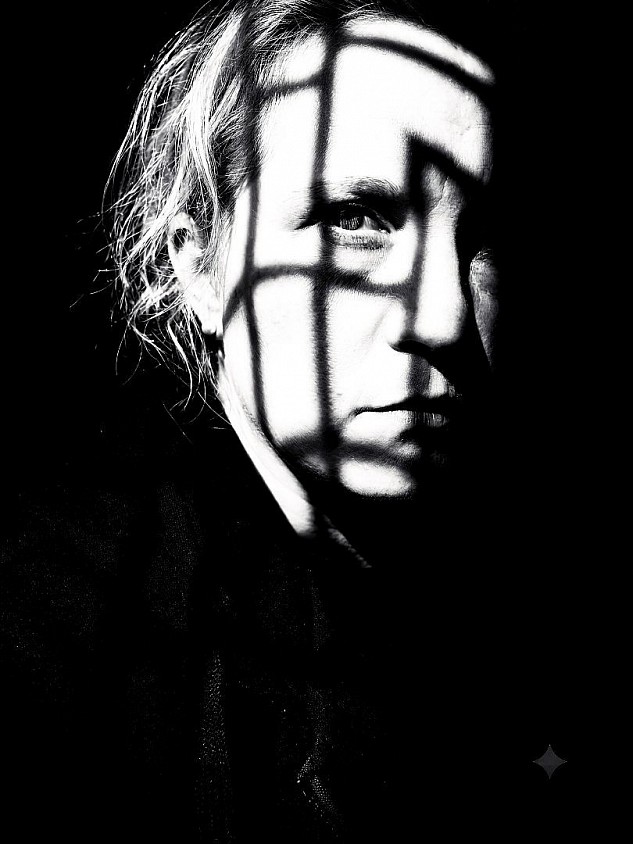
I don't know how we're going to do it...
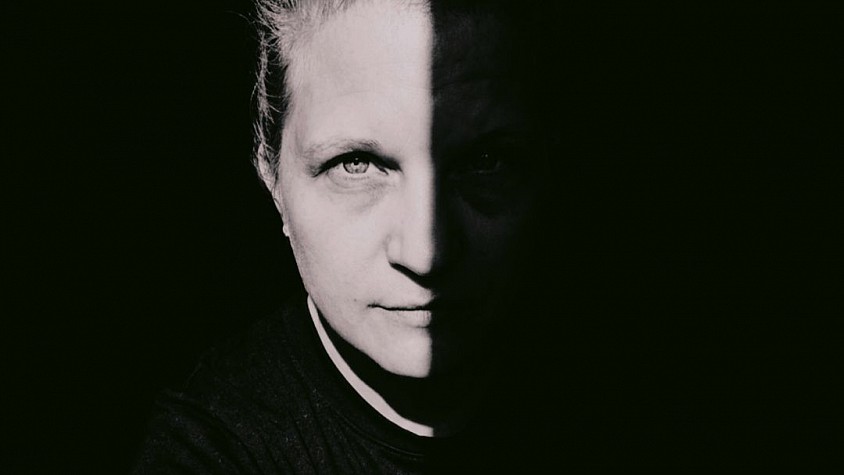
Today is the first of August, I don't want summer to end soon. It's not the darkness that's the hardest thing, but the gray blanket that usually covers Sweden in the winter months. Let's hope that this particular winter month will be nice instead...
I've had a couple of good days but today I feel irritable and down and anxious. Haven't done much today, went for a long walk and cleaned up the pool. They're going to build scaffolding outside on Monday because they're going to change the tiles. It doesn't feel good to have a lot of banging on the roof for a week or two. But it has to be done, otherwise it'll start leaking instead and that's stupid.
The other day I got my new weighted sweater. I would have liked a size smaller as it is quite oversize but it is so comfortable. Weighs 5.4kg. The brand I bought is called Hugz and is Danish. They have the same thing as my weighted blanket, like little grains of sand in it or whatever. It is a little warm when the sun is shining but otherwise so comfortable.
Now I've decided to paint a little to see if I can feel better. The dissociative is probably the hardest part, but also the anxiety. I'm going to paint our latest resident in my department anyway. I usually paint everyone who lives here on a board that hangs inside the shared apartment.
Last Thursday I visited my brother and delivered a birthday present to my niece. I also brought a stack of books by Emelie Schepp. She is a crime writer, I read the first book in 1½ days, it was pretty ok but quite stereotypical but mixed with a little new thinking, I would say. Easy to read and entertaining, the first book was called Marked for Life, now I have started book 2, White Tracks.
I feel dissociative aka feelings of unreality and headaches. We kind of get headaches around the eyes and central forehead. The anxiety comes like a letter in the mail. I don't know if it's a change in direction or if I'm about to get stuck. Regardless of the outcome, it's unpleasant. The fact that I feel down and depressed today doesn't make things any better. Sometimes it can be hard to know what's what... what's depression and what's dissociation.
We are still struggling with the book Sensory pathways to healing from trauma. I tried to open it before but I don't remember anything we read, so it's not easy to try to summarize the book here on the blog. But I'm sure there will be an impulse and desire to do so one day...
Sigh! It's so sad to feel like this... Then I have no desire to continue riding, or cuddling with horses is okay, but everything around me... I have no desire at all and have felt this way since last winter. I've kind of lost it completely. In two weeks the stable starts again so we kind of have to decide now so we can let you know in good time. Then there's a new riding instructor (which definitely doesn't have to be negative) and I can't bear to get to know a new person right now. People have a bad attitude towards safety, especially the kids' groups where both parents and children are usually beginners. I usually try to help and end up being the leader instead of the parent who can't control the horse. I feel so bad for the stable if I'm going to stop... Maybe I can buy a 10x card and go there sometime... I'll see if I can take a break without canceling the place and think about it for a while... Do you have any advice on how we can think?
Some deep thoughts...
We've been home for a few days now. I feel low and sad, but that's not surprising. I miss my grandmother terribly, I really want to call and talk to her. Tell her everything that's happened lately and how much I miss her. I don't remember what it was like when my mother and grandfather and my aunt and uncle Bengt died... it was so long ago... I do know, however, that I took my driving theory test two days after my mother died and I passed it with a narrow margin. My mother died in 2005 of skin cancer, my grandfather died in 2012 of lung cancer, my aunt died in 2003 of breast cancer and my uncle Bengt died in 2013 of prostate cancer... Cancer is shit! We've never really been in mourning, or we probably have but we turn off the feelings because that's how we do it. It feels empty and lonely and it feels like that's how it is. It was the same during childhood, the loneliness, the pain and the feeling of being cornered. The panic when you feel crowded is overwhelming.
I try to allow ourselves to be sad and down. You get to feel that way when someone dies. It's normal and not strange. We have a hard time feeling like we normally do, so trying to allow ourselves to feel a little is progress. I'm just afraid of going down again, of needing the hospital again... I'm working really hard to avoid going in there. I really don't want to! It would feel like a big defeat.
I'm thinking about getting out the sewing machine and my fabric and seeing if I can create something. It's been a long time since I sewed... I love sewing! It just feels so hard, having to check my measurements and stuff... Right now we're in a period where we can't handle our bodies. Another thing we could do is write or paint. I think it would help us do something creative. We just don't feel like it right now, we just want to pull something over our heads and disappear. But the solution is not to do what the Darkness wants, the solution is to defy her... If we're going to try to get better, we have to do enough of the things that we know we actually enjoy.
I ordered a new weighted hoodie today. My previous one was cut up by the health care system after a suicide attempt. An expensive thing to have cut up but I guess I have myself to blame... It's black with a zipper and hood and weighs about 5kg. I haven't tried this brand before so we'll see if it's any good. The company is called Hugz. Do any of you have experience with that company? Anyway, we loved the old sweatshirt and have missed it for a year now... or is it two years... I don't remember.
We were actually going to a party because my brother's little girl is turning 6 and his boy is turning 11. But we can't have a party right now. I feel like a failure but I'm thinking I'll go there in a week or so. That way they can get their presents in peace and quiet. The little girl is going to get a pair of earrings from Snålla Alice, I have earrings from there myself and am super happy. They have a flat back, you insert the spike from the back and screw on the bead. They fit really well and you can sleep comfortably with them. Now I sound like an advertising flyer... I'm just happy with the product.
It's been so messy inside since Grandma died... Everyone feels differently and above all, everyone has different ways of dealing with it. I don't think everyone inside knows about it yet... It's so strange to think that she's gone, actually really and forever gone. I get flashbacks from when she died. How she fought back, the last thing she said to me was: "This isn't going to work, Joy." And it didn't either, it happened so terribly fast. She died in like an hour and I didn't have time to call and tell the others to come back. They hadn't made it there anyway... and Grandma wasn't alone, I held her hand as tightly as I could and looked her in the eyes so she would know that she wasn't alone. Or well, we're all alone when we die... because we who are alive can't know what death feels like. We have been so close so many times... I don't know why or how it is that we are still alive... Most people would say that my dead have protected me, that it is not my time yet... But we really know nothing about death. We imagine that we will meet all our loved ones when we die, but is that really so? Some believe in heaven and hell and everything in between... I don't know what we believe... If there is a hell, that is where we will end up... I don't believe in heaven and hell, in that case I would rather believe in reincarnation, it feels nicer.
Why should you believe in a god that is based on a book that was written hundreds of years ago by men for men, so that these men could control others, especially women. I look at all the religious fanatics (not all religious but those who are fanatics) and I just can't believe it... Some say that we are all sinners and we have to cleanse ourselves to get to heaven. For me, it is child abuse, so many people tell children that if they think the wrong thoughts or love the wrong person, they will go to hell... It is so disgusting! Think how scared these poor children are. No one should have to grow up in that fear, it is as bad as being raped over and over again. We cannot control our thoughts and that is a fact. How did I get into this topic now... That was a bit deep of me. But why would a good god allow so much misery to happen?! Why have I gone through all that I have gone through? What have I done to deserve it???! I believe in something but not in what is written in a book, I don't know what I believe in but nothing in this world has given me reason to believe in a god, unfortunately. However, it would have been a comfort to be able to believe and draw strength from that.
What would my life be like now if I hadn't been exposed as a child and sick/injured as an adult? What would I have worked for? Where would I have lived? What would my relationship with our son have been like? It often feels like life is just for suffering, for me then... Everyone has their setbacks and such, but not everyone is actually exposed in the same way. But everyone's suffering is worth the same. Suffering is subjective, not objective. Someone may find pain at level 5 unbearable while another who is in just as much pain can handle it and doesn't think it's dangerous at all. It's so different, but does that mean that one person's pain is worth more than person two? Of course not!
Well, now I have to stop writing. Maybe put on a cup of coffee and think about what I want to do that's creative...
All the best to you!
// Joy
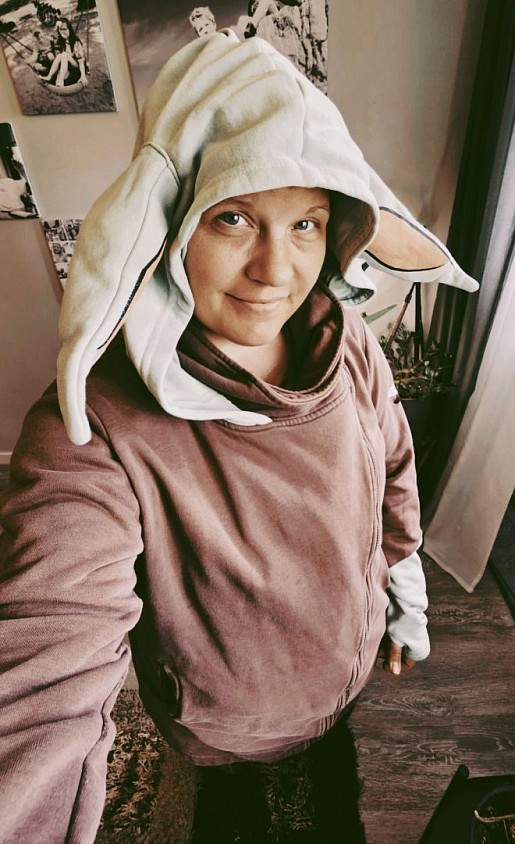
The air has completely gone out of me...
Today I went home, via the counselor, and now the air has completely gone out of me. It's been a while since my grandmother died and I completely broke down at the counselor's. Now I just feel completely under the ice, tired, sad and full of anxiety. It feels like we can't fight anymore... The self-hatred is disgusting and loud and it just feels like we are completely unnecessary and that we don't fulfill any function and that we are disgusting...
The curator thought we should go to the hospital but I really can't bear to go there again and be there for a shorter time (=3-5 days) which does absolutely nothing for us. We are never allowed to be in the hospital until we feel we have finished treatment and then it gives us nothing but stress. The last time we were admitted we were admitted again under protests from the doctor. "Why are you coming back so soon?" "Why aren't you admitted to BI?"... blablabla... I can't bear it!! I came back because I wasn't feeling better and BI does absolutely nothing for me because I get the same help at home... But are they listening? Nope. So why should I apply?! I have also said that we don't want BI precisely because it doesn't give us anything. They treat us badly as EIPS patients, not as someone with recurring depression and DID.
I think we shocked the counselor a bit... He's never seen us in this state as we usually stay objective with him... Or rather, it's not usually me who's in the front but now I am and I hate everything that has to do with our bodies and us. Especially the body, I want to crawl out of it. Break it, jump on it... It sounded terrible but that's how I feel.
It feels like we're good for being exploited, bullied, hurt and all that. What's the point of life then... I try to mantra everything we actually have but it's not going so well for me. It could definitely be going better for someone else inside but now it's me and yeah... I'm a pile of shit. Someone to step on and stomp on...
// Jonas
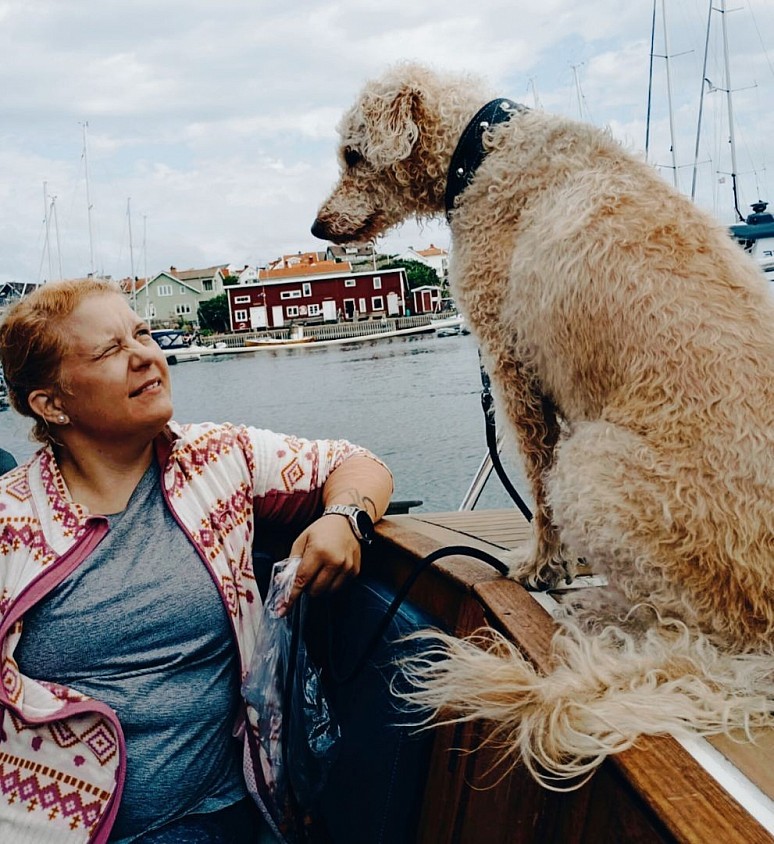
(I'll at least post a picture of me/us and our dog)